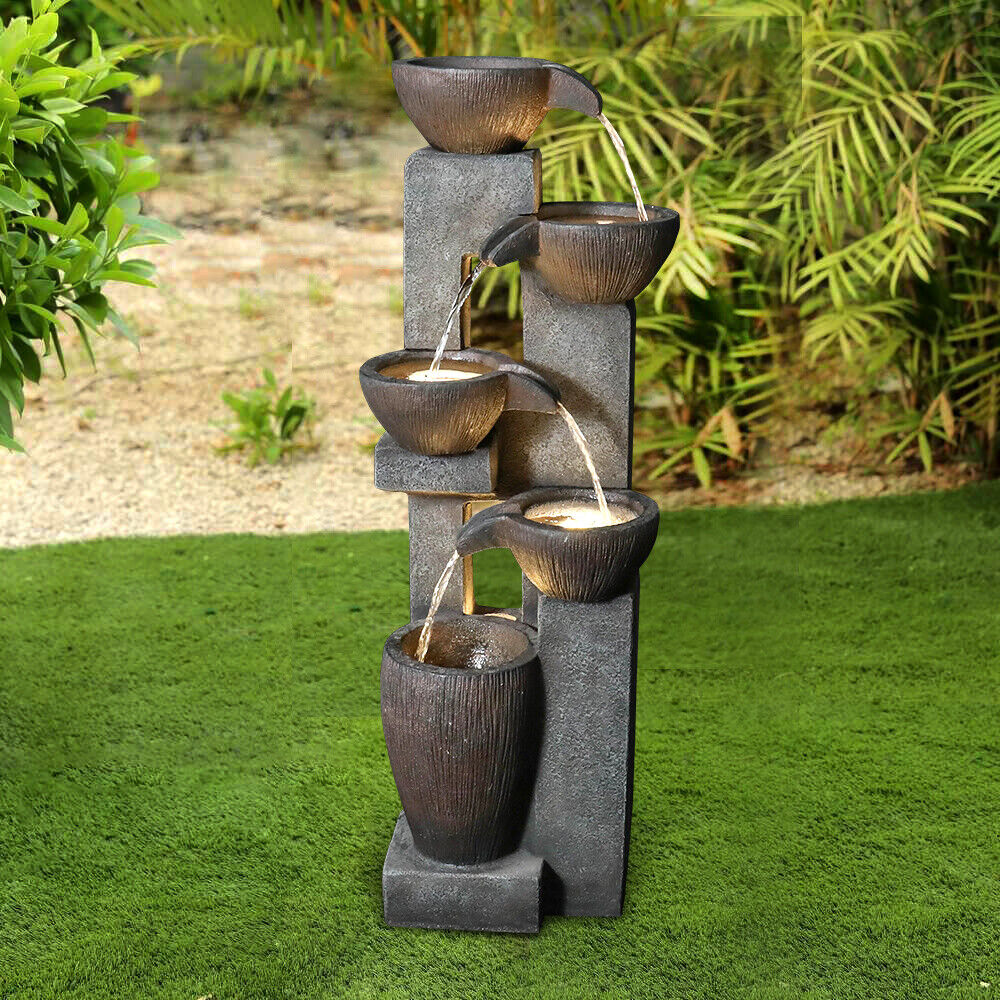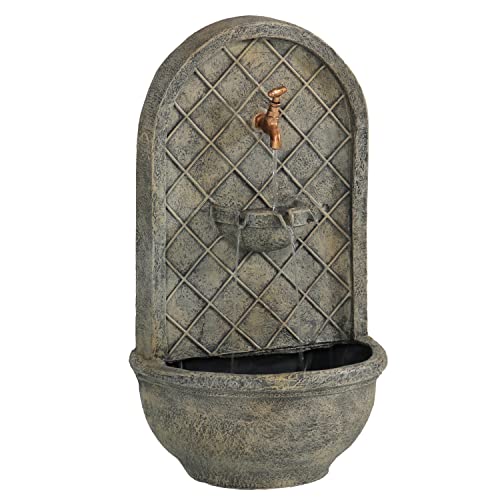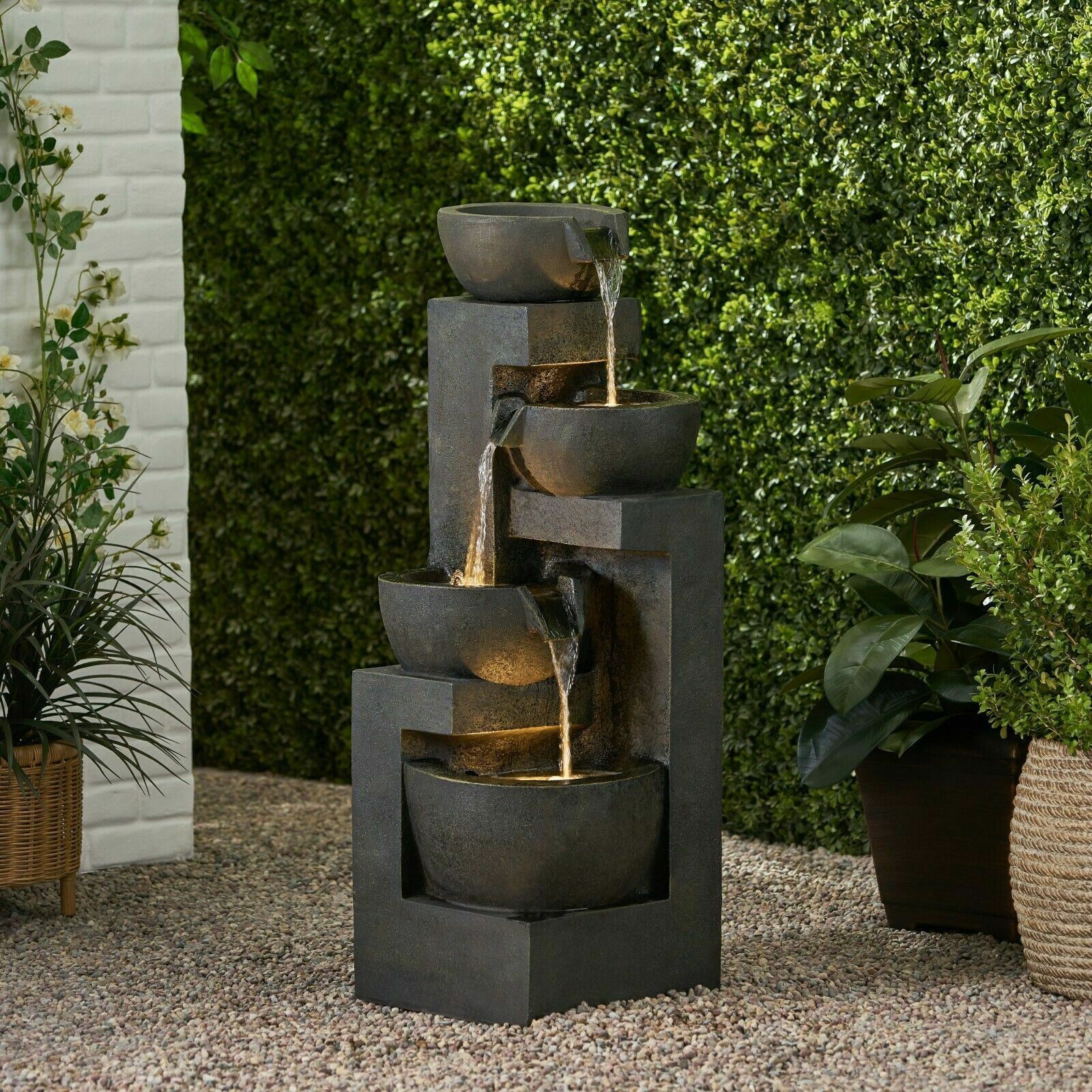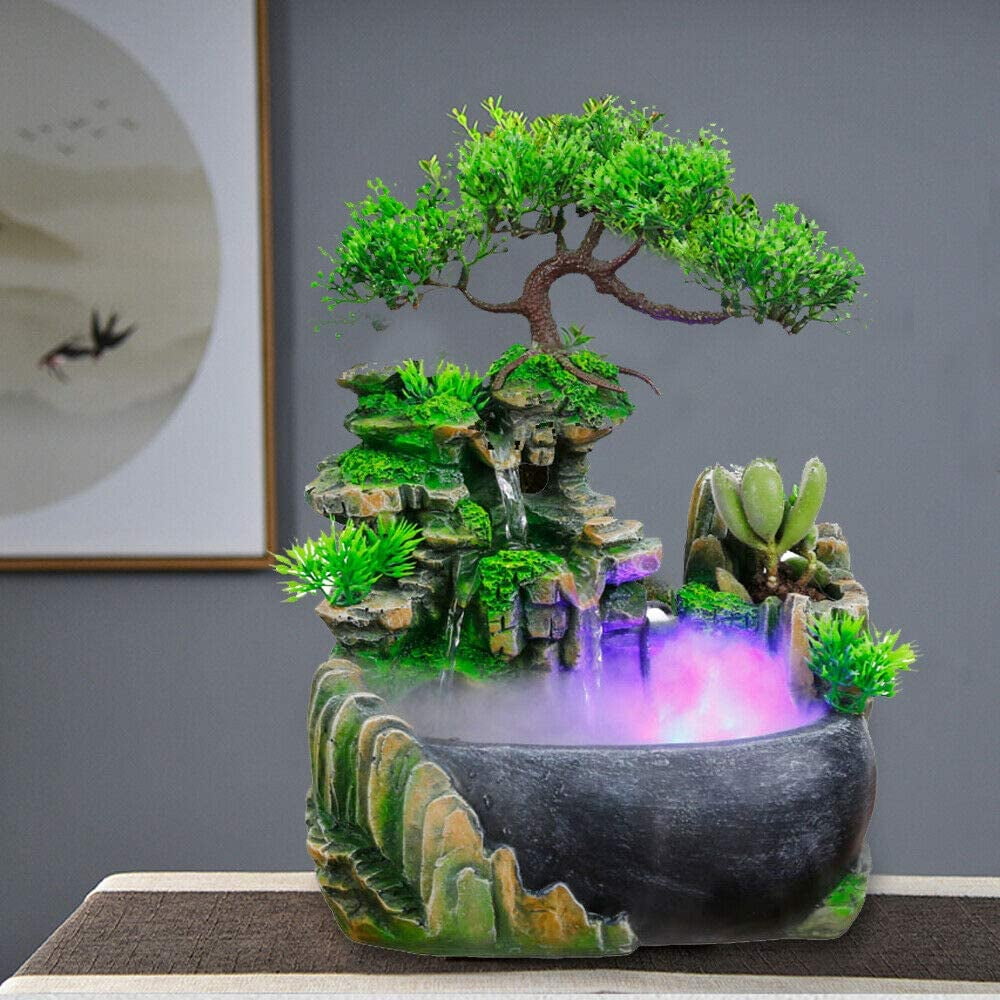
Outdoor water fountains have an interesting history that dates back thousands of years. Ancient civilizations like the Greeks and Romans loved the beauty and functionality of these decorative pieces. They used fountains not just for drinking water but also as central features in gardens and public spaces. It was a way to show off their wealth and creativity.
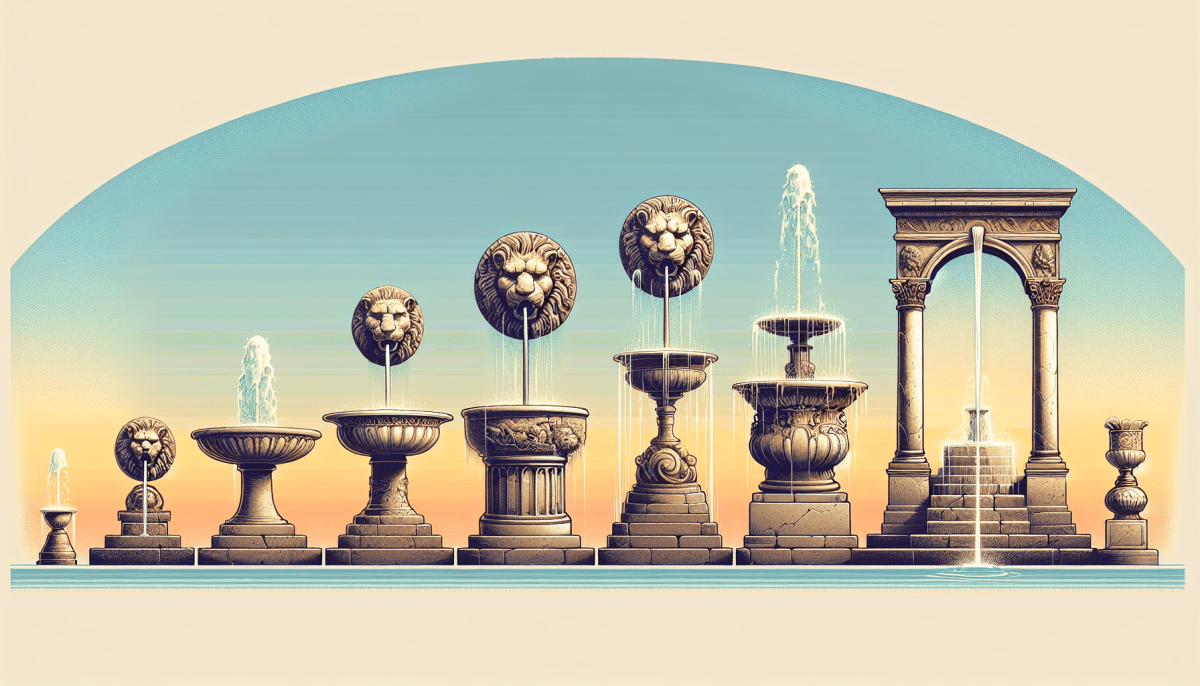
In ancient Rome, fountains became a big deal. They had elaborate designs and often featured statues or intricate carvings. People would gather around these fountains, enjoying the sound of water flowing and the lively atmosphere. It was more than just a source of water; it was a social hub where friends met and conversations flowed.
Fast forward to the Middle Ages, and fountains continued to play an essential role in gardens and courtyards. They served both practical and aesthetic purposes. People valued the sound of trickling water, which brought a sense of calm to their surroundings. Castles and estates often featured grand fountains as symbols of status.
As we moved into the Renaissance, artists and architects began to experiment even more with fountain designs. They combined beauty with engineering, creating impressive works of art. This period sparked a wave of creativity that influenced fountain styles we still see today.
Evolution Through the Ages
Outdoor water fountains have come a long way since their humble beginnings. Way back in ancient civilizations, people relied on natural springs and flowing water sources for their drinking water. They loved the soothing sound of water, which is why they started to build simple stone structures to channel water. These early fountains were often found in public squares, where everyone could gather and enjoy the relaxing atmosphere.
As time passed, the Romans took the idea of fountains and ran with it. They created intricate systems that not only provided water for drinking but also supplied public baths and gardens. The Romans were all about style, so their fountains were often adorned with statues and beautiful designs. It became a status symbol to have a grand fountain in your villa, showcasing both wealth and creativity.
During the Renaissance, fountains experienced another revival. This period saw an explosion of artistic expression, and fountains became elaborate works of art. Artists and architects poured their creativity into designing stunning fountains that served as both functional water sources and eye-catching masterpieces. Imagine walking through a garden and encountering a fountain with cascading water, surrounded by sculptures and lush greenery—it was a feast for the senses!
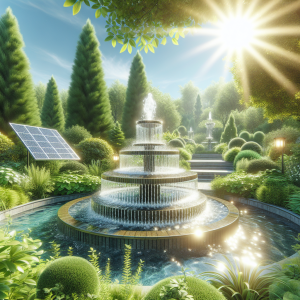
Fast forward to the modern era, and outdoor water fountains have evolved once again. Now, you can find everything from sleek, contemporary designs to charming, rustic styles. Today’s fountains can fit any backyard or garden space. With a range of materials and technologies, like solar-powered pumps, these beauties come in all shapes and sizes. Whether you're looking for a serene spot to relax or a stylish focal point for your outdoor area, there's a fountain out there for you!
Cultural Significance Around the World
Outdoor water fountains have a rich cultural significance that varies around the world. In ancient Rome, for instance, these fountains symbolized wealth and sophistication. They didn’t just provide drinking water; they were highly decorative and often featured intricate sculptures. Romans believed that a beautiful fountain could elevate the beauty of their surroundings, making them a central part of public and private spaces.
In Islamic culture, fountains play a key role in gardens and mosques. They often represent purity and serve as a place for ritual washing before prayers. The sound of flowing water is soothing and adds to the spiritual atmosphere. The famous Alhambra in Spain showcases stunning fountains that flow gently, creating a peaceful ambience that visitors cherish.
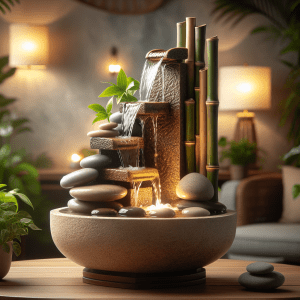
In Asia, particularly in Japanese culture, water fountains symbolize tranquility and are essential in Zen gardens. The simple act of water flowing encourages mindfulness and reflection. These gardens invite people to slow down, breathe, and enjoy the beauty of nature, making fountains an important element in promoting well-being.
In addition, many cultures use fountains to celebrate community. Town squares across Europe often feature central fountains where people gather. They serve as a meeting spot and a focal point for social interaction. This sense of community connection makes outdoor fountains a cherished part of local heritage and identity.
Modern Designs and Innovations
Outdoor water fountains have come a long way since their early days. Today’s designs are sleek, stylish, and fit right into any modern backyard. With innovative materials and smart technology, these fountains not only look good but also bring a sense of calm and relaxation to outdoor spaces.
One of the coolest trends is the integration of LED lighting. Imagine your fountain glowing softly at night, creating a magical atmosphere for evening gatherings. It adds a whole new dimension to your outdoor space and makes those late-night chats by the fountain even more special.
Another exciting innovation is the use of eco-friendly pumps and solar power. These features help you enjoy the beauty of your fountain without a big impact on the environment. It feels great to have a stunning piece in your yard that’s also good for the planet.
Let’s not forget about customizable features. Many modern fountains allow you to adjust the water flow and sound, letting you create your perfect oasis. Whether you want a gentle trickle or a more robust stream, you can easily find a setup that suits your style and garden vibe.
With all these advancements, it’s easy to see why outdoor water fountains are more popular than ever. They’re not just a pretty addition; they’re a way to enhance your outdoor living experience and enjoy the soothing sound of flowing water, no matter the design you choose.